
cyber security
-
The “Session Cookie” Hijack: Why MFA Can’t Always Save You
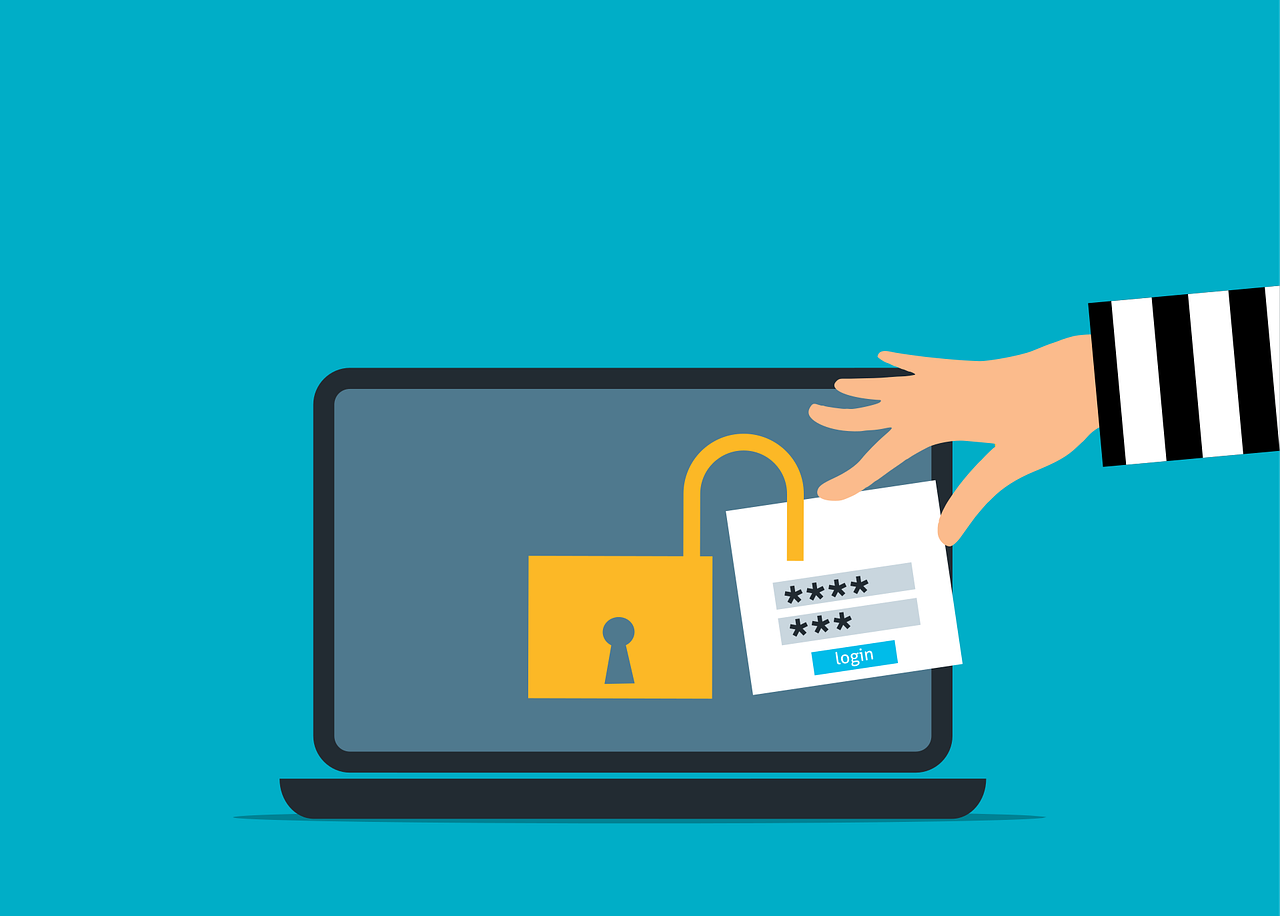
MFA is a strong front-door lock. But it’s not the only thing that decides whether someone can get in. After you sign in, your browser keeps you logged in using a session token (often stored as a cookie). It’s the digital version of a wristband at an event: once you’ve been checked, the wristband proves…
-
The “Legacy Debt” Audit: Identifying the 3 Oldest Risks in Your Server Room

The most dangerous thing in a server room is often the phrase, “Don’t touch that.” It’s usually said with a half-joke and a grimace. It refers to the old box that “still works”, runs something important, and has survived so many fixes and workarounds that nobody feels confident changing it anymore. That’s legacy debt. Not…
-
Micro-SaaS Vetting: The 5-Minute Security Check for Browser Add-ons
Browser add-ons have a funny reputation. They feel “small”. A quick install. A tiny productivity boost. A harmless little helper that lives in your toolbar. But in practice, a browser extension is more like a micro-SaaS vendor sitting inside your browser session. It can see what you see, interact with the pages you open, and…
-
LinkedIn “Social Engineering”: Protecting Your Staff from Fake Recruitment Scams
A fake recruiter message is one of the cleanest social engineering tricks around because it doesn’t look like a trick. That’s why LinkedIn recruitment scams work so well inside real businesses. They don’t arrive as malware. They arrive as a normal conversation that nudges someone toward one small action: click this link, open this file,…
-
Clean Desk” 2.0: Securing Your Home Office from Physical Data Leaks
In the traditional office, a “Clean Desk” policy was a simple habit: shred the sensitive stuff, lock it away, and don’t leave passwords where someone can see them. In 2026, the same idea still matters but the “desk” has changed. For many teams, the home office is now the default workspace, and that means physical…
-
The Essential Checklist for Securing Company Laptops at Home
At home, security incidents don’t look like dramatic movie hacks. They look like stepping away from your laptop during a delivery, or leaving it unlocked while you grab something from another room. Those ordinary moments, repeated over time, are how work devices end up exposed. A remote work security checklist focuses on simple, practical controls…
-
Stop Ransomware in Its Tracks: A 5-Step Proactive Defense Plan
Ransomware isn’t a jump scare. It’s a slow build. In many cases, it begins days, or even weeks, before encryption, with something mundane, like a login that never should have succeeded. That’s why an effective ransomware defense plan is about more than deploying anti-malware. It’s about preventing unauthorized access from gaining traction. Here’s a five-step…
-
5 Security Layers Your MSP Is Likely Missing (and How to Add Them)
Most small businesses aren’t falling short because they don’t care. They’re falling short because they didn’t build their security strategy as one coordinated system. They added tools over time to solve immediate problems, a new threat here, a client request there. On paper, that can look like strong coverage. In reality, it often creates a…
-
The “Deepfake CEO” Scam Why Voice Cloning Is the New Business Email Compromise (BEC)
The phone rings, and it’s your boss. The voice is unmistakable; with the same flow and tone you’ve come to expect. They’re asking for a favor: an urgent wire transfer to lock in a new vendor contract, or sensitive client information that’s strictly confidential. Everything about the call feels normal, and your trust kicks in…
-
The Smarter Way to Vet YourSaaS Integrations

Your business runs on a SaaS (software-as-a-service) application stack, and you learn about a new SaaS tool that promises to boost productivity and streamline one of your most tedious processes. The temptation is to sign up for the service, click “install,” and figure out the rest later. This approach sounds convenient, but it also exposes…
-
How to Use Conditional Access to Grant and Revoke Contractor Access in 60 Minutes

Managing contractor logins can be a real headache. You need to grant access quickly so work can begin, but that often means sharing passwords or creating accounts that never get deleted. It’s the classic trade-off between security and convenience, and security usually loses. What if you could change that? Imagine granting access with precision and…
-
Securing Your Supply Chain Practical Cybersecurity Steps for Small Businesses

Picture this: your business’s front door is locked tight, alarm systems are humming, and firewalls are up, but someone sneaks in through the back door, via a trusted vendor. Sound like a nightmare? It’s happening more often than you think. Cybercriminals aren’t always hacking directly into your systems anymore. Instead, they exploit the vulnerabilities in…
-
A Small Business Guide to Implementing Multi-Factor Authentication (MFA)

Have you ever wondered how vulnerable your business is to cyberattacks? According to recent reports, nearly 43% of cyberattacks target small businesses, often exploiting weak security measures. One of the most overlooked yet highly effective ways to protect your company is through Multi-Factor Authentication (MFA). This extra layer of security makes it significantly harder for…
-
Decoding Cyber Insurance: What Policies Really Cover (and What They Don’t)

For small businesses navigating an increasingly digital world, cyber threats aren’t just an abstract worry, they’re a daily reality. Whether it’s phishing scams, ransomware attacks, or accidental data leaks, the financial and reputational damage can be severe. That’s why more companies are turning to cyber insurance to mitigate the risks. Not all cyber insurance policies…
-
How Do Websites Use My Data?(Best Practices For Data Sharing)
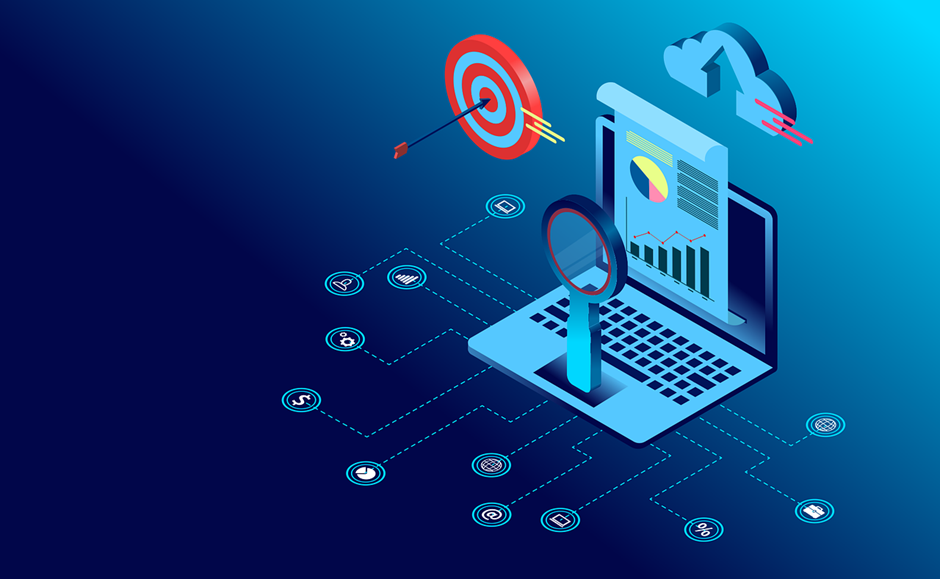
Websites store and use user data in many ways, usually to personalize content, show ads, and make the user experience better. This can include everything from basic data like the type of browser and IP address to more private data like names and credit card numbers. It’s important for people to know how this information…
-
What Is Password Spraying?
Password spraying is a complex type of cyberattack that uses weak passwords to get into multiple user accounts without permission. Using the same password or a list of passwords that are often used on multiple accounts is what this method is all about. The goal is to get around common security measures like account lockouts.…
-
7 Unexpected Ways HackersCan Access Your Accounts
The digital age has made our lives easier than ever, but it has also made it easier for hackers to take advantage of our online weaknesses. Hackers are getting smarter and using more creative ways to get into people’s personal and business accounts. It’s easy to think of weak passwords and phishing emails as the…
-
Protect Yourself: 8 Steps to Take When You Get a Notice Your Data Was Breached
When it happens, you feel powerless. You get an email or letter from a business saying someone breached your data. It happens all too often today. Data breaches happen at banks, online sites like Facebook, and ecommerce stores. Not only that, but governments are also victims. This leaves things like your address, SSN, and credit…
-
Cyber Experts Say You Should Use These Best Practices for Event Logging

Today’s businesses are no stranger to the word cybersecurity. They are facing a growing wave of cyberattacks. These come from ransomware to sophisticated phishing schemes. How do you stand ahead of these threats? A strong cybersecurity strategy is essential. One crucial component of this strategy is event logging. It’s one that not every business owner…
-
Looking for More IT Productivity Tips?

There are many types of malware. One of the most common is called “malvertising.” It crops up everywhere. Including social media sites and websites. You can also see these malicious ads on Google searches. Two things are making malvertising even more dangerous. One is that hackers use AI to make it very believable. The other…